

NEWS DETAIL
How to Choose the Best Wax Setting Machine for Jewelry Production
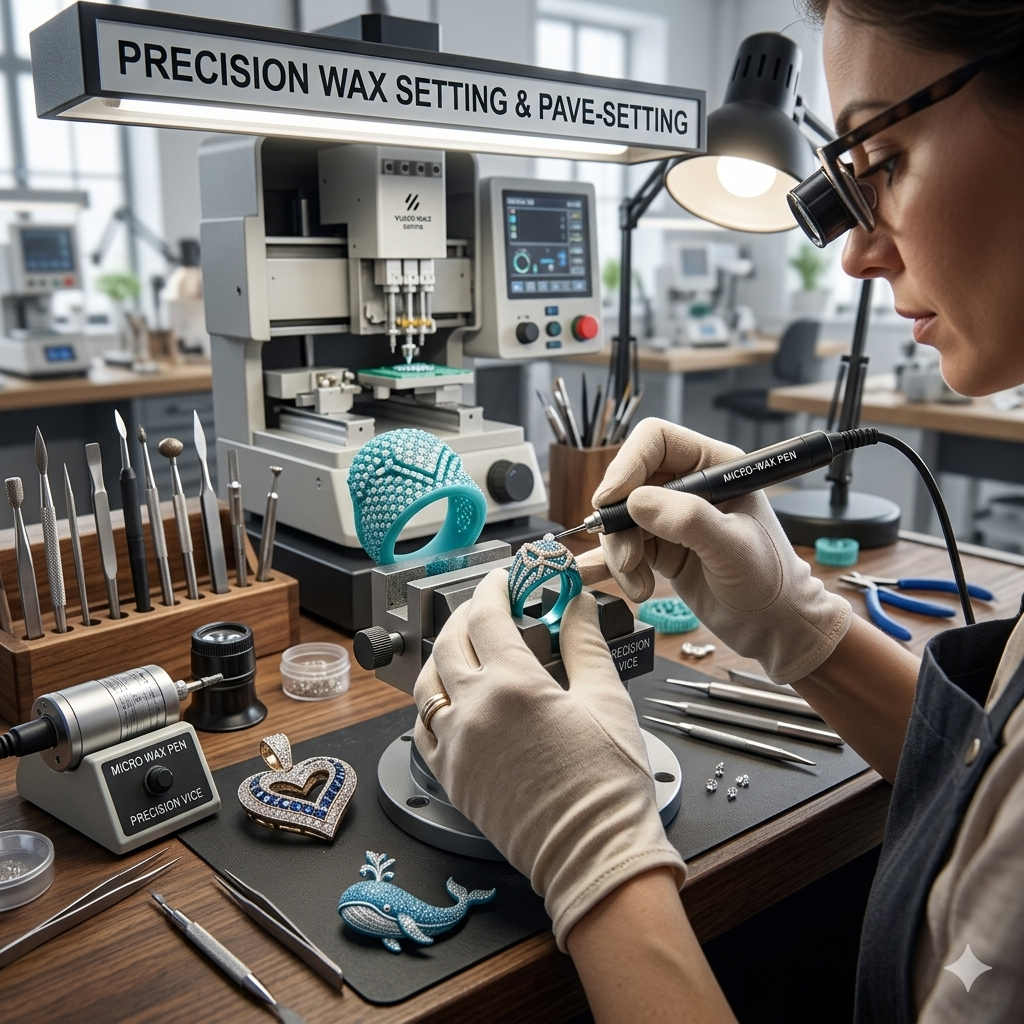
Market Trends of wax setting machine
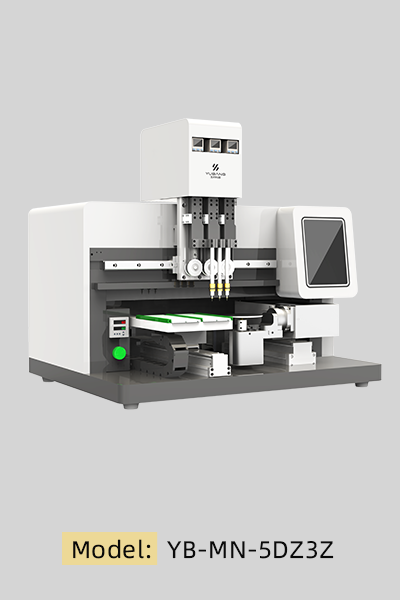
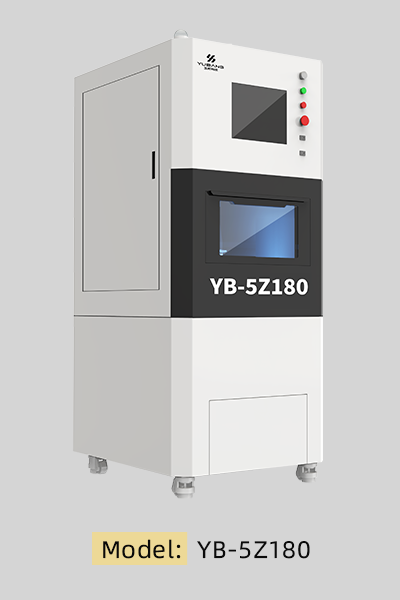
In the competitive landscape of jewelry manufacturing, selecting the right wax setting machine is a foundational decision that impacts both product quality and long-term production scalability. As the industry moves away from traditional manual labor, upgrading to automated systems is no longer just an advantage—it is a necessity for maintaining market relevance.
Feature Comparison Table
| Feature | Manual | Semi-Automatic | Automatic |
|---|---|---|---|
| Cost | Low | Medium | High |
| Precision | Low | Medium | High |
| Productivity | Low | Medium | High |
| Labor Dependency | High | Medium | Low |
| Smart Integration | No | Limited | Yes |
The 3-Pillar Evaluation Framework
When comparing machinery, focus on these three critical dimensions to ensure your investment supports your 2026 growth targets.
1. Precision and Stability
Jewelry production demands extreme tolerances. Look for machines that offer a minimum processing precision of 0.01mm. High-quality spindles and rigid machine beds are non-negotiable, as they prevent vibration—the leading cause of inaccuracy in delicate stone setting.
2. Geometric Versatility: The Power of 5-Axis
For complex jewelry designs that feature multiple angles and intricate curvatures, a standard 3-axis machine is often insufficient.
Why 5-axis: A 5 axis system allows the machine to approach the wax model from virtually any angle. This eliminates the need for manual repositioning, significantly reducing human error and production time.
Impact: Implementing 5 axis technology enables your team to produce highly detailed, customized jewelry pieces that would be impossible to manufacture using manual or lower-axis machinery.
3. Integration and Automation
The shift toward a smart factory model requires machinery that does more than just cut or set. Your equipment must be a data node within your broader manufacturing ecosystem.
Real-time Monitoring: Look for systems that integrate with your internal production management software to track machine uptime and throughput.
Scalability: A smart factory environment relies on seamless communication between CAD/CAM software and the machine. Ensure your chosen equipment supports open-architecture software, allowing for easy updates and integration with future automation tools.
Selection Checklist
| Feature | Importance | Why it matters |
| Precision (0.01mm) | Critical | Ensures consistency in high-value stone settings. |
| 5 Axis Capability | High | Enables complex, multi-angle geometric designs. |
| Software Compatibility | High | Vital for integrating into a smart factory workflow. |
| Automatic Tool Changer | Medium | Reduces downtime between different operations. |
| Dust Collection/Cooling | Medium | Maintains machine longevity and operator safety. |
Elevating Your Production Strategy
Transitioning to a smart factory is not merely about buying a machine; it is about adopting a production philosophy that prioritizes data-driven efficiency. By prioritizing 5 axis systems, you equip your facility to handle high-complexity, high-margin projects, positioning your company to lead in a market increasingly dominated by automated, high-precision manufacturing.
When evaluating a wax setting machine, always request a test run with your most complex CAD files. Real-world performance—specifically the machine's ability to maintain high precision across complex tool paths—is the ultimate indicator of its viability for your production lines.